"Future-oriented higher education" means continuously adapting teaching and learning processes to meet current and emerging societal demands. "Technology integration" refers to the deliberate use of digital tools and platforms to make educational content more interactive, accessible and engaging. Instructors and learners always remain at the center – with particular focus on fostering self-directed and lifelong learning.
Click on the headings to expand the details.
01 Introduction to Future-Oriented Higher Education
Future-oriented higher education refers to a teaching approach that aims to continuously adapt teaching and learning processes at universities to current and future requirements. This approach considers the development of new pedagogical concepts, methods and technologies to ensure effective knowledge transfer and competency development that meets students' needs and society's changing demands.
Technology integration refers to the proactive use of digital technologies and media in teaching and learning processes to improve the effectiveness and efficiency of educational offerings. Digital tools, platforms and applications are used in a targeted way to make teaching content more interactive, accessible and engaging, and to promote exchange, collaboration and interaction between instructors and learners.
Future-oriented higher education, enriched by the integration of modern technologies, thus addresses the design of teaching and learning processes at universities with the goal of enabling effective and efficient transfer of knowledge and competencies, with a focus on both instructors and learners and particular emphasis on fostering self-directed and lifelong learning.
02 The Importance of Future-Oriented Higher Education
Future-oriented higher education is crucial for teaching quality at universities and contributes to the continuous development of educational offerings. It supports instructors in improving their teaching competency and employing innovative teaching methods to meet the diverse needs of learners.
Future-oriented higher education pursues the following goals:
- Fostering a constructive learning process in which students can actively build, reflect on and apply knowledge, using modern technologies.
- Developing competencies in students that go beyond mere factual knowledge and prepare them for the demands of professional life, supported by the integration of digital tools and technologies.
- Creating an open and cooperative learning culture that promotes the exchange of ideas and perspectives and values the diversity of the student body, through the use of online platforms and digital communication tools.
- Integrating feedback and evaluation mechanisms to continuously improve the teaching-learning process and increase student satisfaction, using digital feedback instruments and analysis tools.
03 The Roles of Instructors and Learners
Future-oriented higher education strives for an active and cooperative learning culture in which instructors and students work together on acquiring knowledge and developing competencies, supported by the integration of modern technologies.
Role of the Instructor
The instructor plays a multifaceted role that goes far beyond mere knowledge transfer, acting as a learning companion, motivator and moderator:
- Planning and structuring courses: Developing a curricular framework that defines learning objectives, content and methods while incorporating modern technologies.
- Selecting appropriate teaching methods: Choosing didactic approaches that meet learning objectives and integrate digital media.
- Creating a motivating learning environment: Fostering a positive learning atmosphere through digital interaction and collaborative online platforms.
- Supporting the learning process: Individual guidance through digital communication tools and learning support systems.
This learner-centered approach is rooted in Constructivism — the view that learning is an active, constructive process in which students build knowledge through interaction with their environment.
Role of the Learners
Students are not merely passive recipients of knowledge, but active architects of their own learning path:
- Independent learning: Active engagement with course content, supported by digital resources and online libraries.
- Active participation: Involvement in discussions via online forums and collaborative platforms.
- Reflecting on learning progress: Regular reflection using digital portfolios and self-reflection tools.
- Providing feedback: Constructive feedback via digital feedback instruments and survey platforms.
04 Teaching and Learning Models and Theories
Various teaching and learning models and theories play an important role in future-oriented higher education. Three significant approaches include Constructivism, Constructive Alignment and the Berlin Model of Didactics.
If you wish to learn more about didactic models, we recommend attending a foundational higher education didactics seminar. You can also find online learning material on the basics of course planning in the QUADIS project on the VHB platform.
05 Competency-Oriented Course Design
Competency-oriented course design encompasses various aspects aimed at defining clear learning objectives, selecting appropriate media and methods, and implementing them effectively:
- Formulating learning objectives and competencies: Learning objectives should be formulated using SMART criteria and always include both a content component and a behavioral component (operator/verb, based on a learning taxonomy such as Bloom's or Anderson and Krathwohl's).
- Curricular structures: Competency-oriented module handbooks provide a framework for course design.
- Planning and organization: Selecting appropriate teaching methods, media and content, managing time, and considering the diverse needs of students — supported by digital planning and organizational tools.
Competency-oriented design requires holistic planning that aims to clearly communicate learning objectives, methods, media and content, actively involve students, and ensure successful competency development.
06 Asynchronous Teaching and Learning Materials
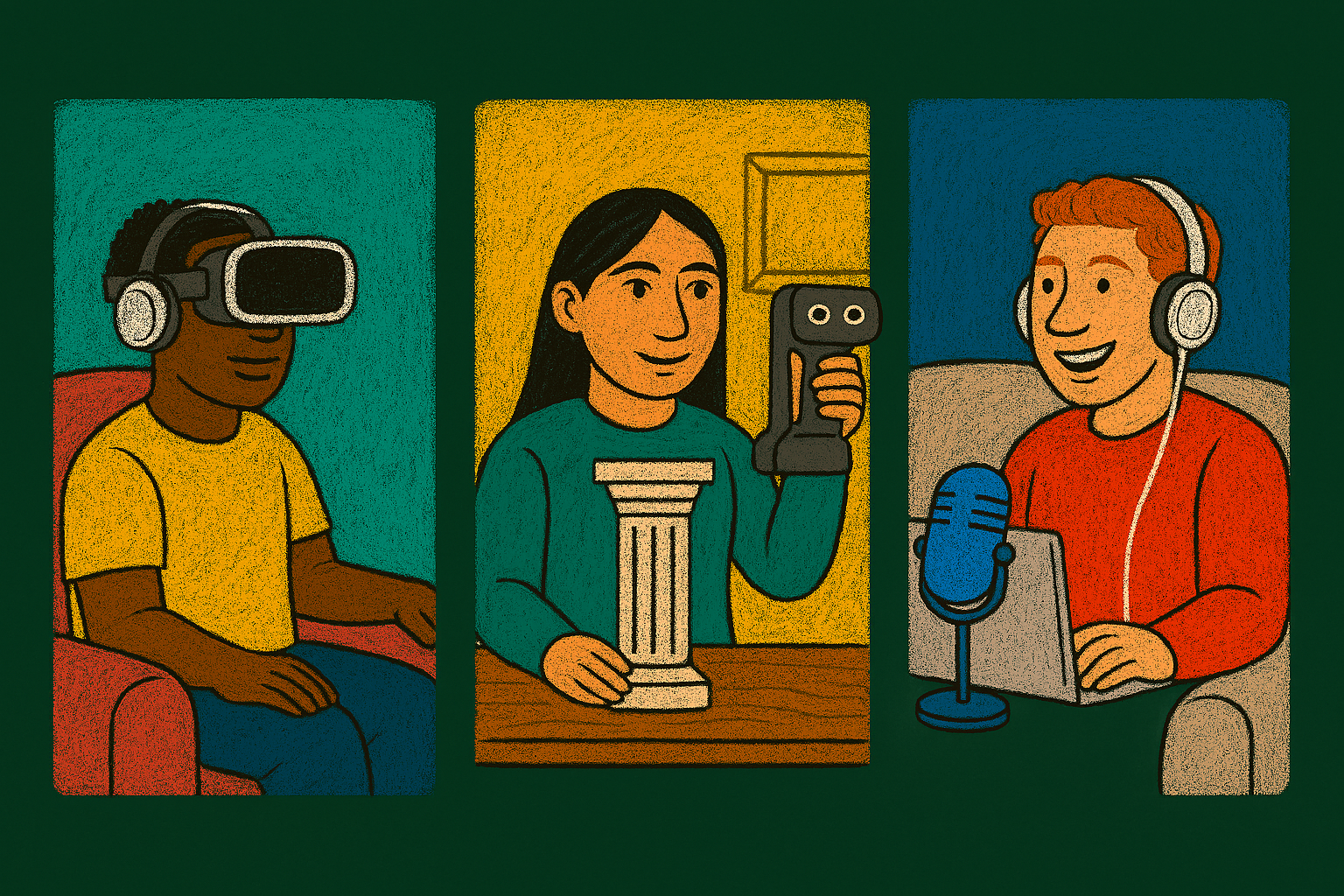
Through the use of various digital media, instructors can provide learners with diverse and engaging learning content that they can work through flexibly and independently:
- Videos: Lectures, explanations, demonstrations or expert interviews. The ability to watch videos at one's own pace allows students to meet their individual learning needs. Interactive videos can also be created with H5P.
- Podcasts: Lectures, discussions, interviews or case studies as podcasts — ideal for students who want to learn during everyday activities.
- Blogs: Regularly publishing new content — text posts, case examples, discussion questions or reflection tasks. Students can comment and actively participate in discussions.
- 360° scenarios and 3D models: Through VR or AR, instructors can create immersive learning experiences. 3D models can be opened via QR code on smartphones.
- Learning management systems (e.g. Moodle): Platforms for organizing teaching materials, communication, assignments and feedback. Providing asynchronous materials enables a flipped classroom approach.
07 Collaborative Learning Activities
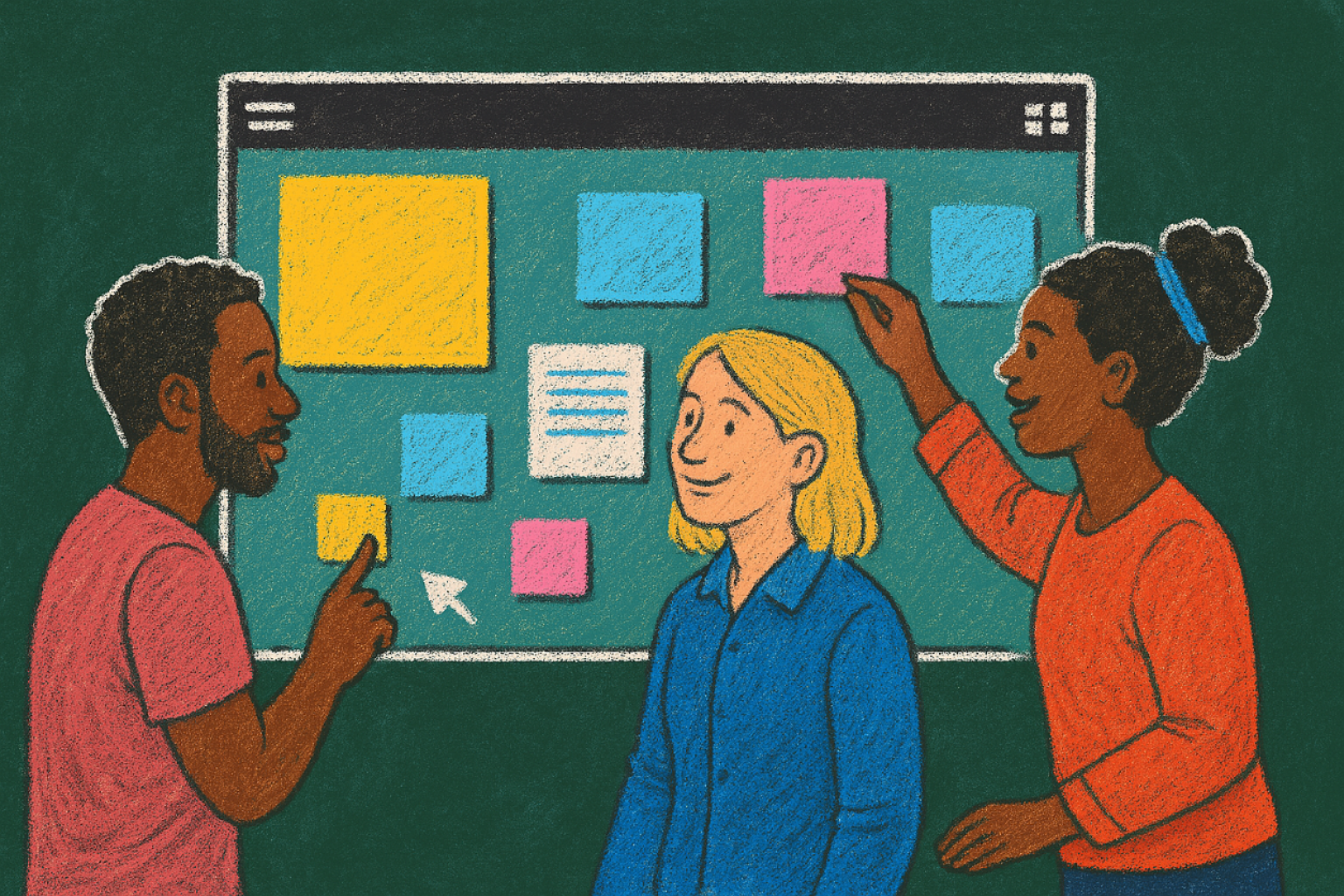
Digital media enable instructors and learners to communicate and collaborate effectively, both synchronously and asynchronously:
- Chat-based platforms: Platforms like Microsoft Teams, Mattermost, Slack or Discord enable real-time communication and collaboration. Instructors can initiate discussions and encourage exchange among students.
- Video conferences: Platforms like Zoom or Microsoft Teams enable lectures, seminars, group discussions or working groups online — also in hybrid settings.
- Collaboratively editable online documents: Tools like Cryptpad, Miro or Padlet enable collaborative document editing in real time. A prepared structure and instructions from the instructor are essential.
Integrating these digital media not only deepens understanding but also develops important competencies such as teamwork, communication and problem-solving skills.
08 Interactive Learning Activities
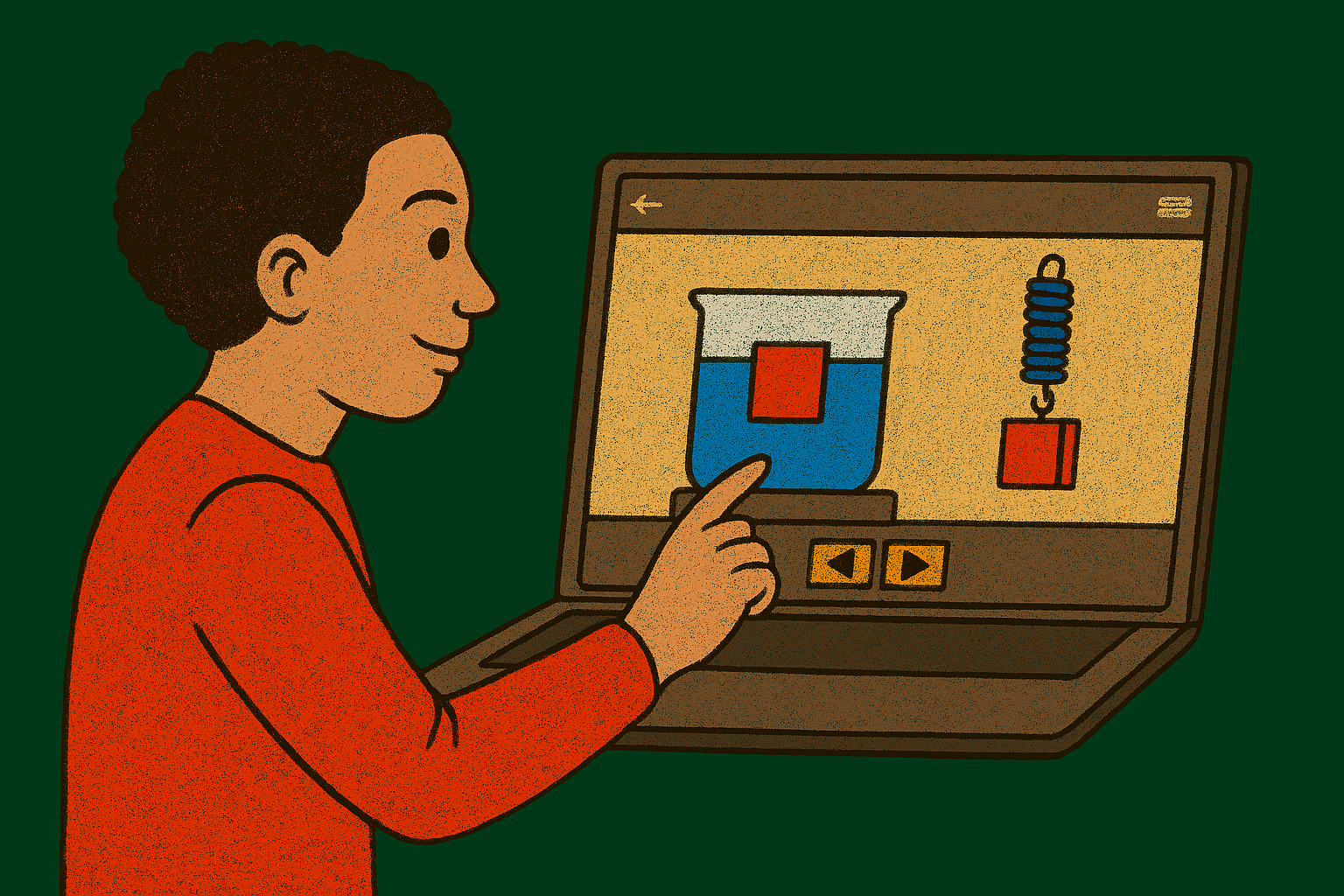
Digital media offer numerous ways to present learning content interactively and promote active student participation:
- Quizzes: Platforms like Kahoot, Quizizz, Moodle tests or Mentimeter enable interactive quizzes, with multiple-choice, fill-in-the-blank, matching tasks and more — with immediate, automated feedback.
- Simulations and virtual labs: Software like PhET or LabXchange offers interactive virtual experiments in the natural and engineering sciences, allowing students to gain practical experience in a safe environment.
- H5P elements: H5P is an open-source platform for interactive learning content that can be integrated into Moodle — enabling course presentations, interactive videos, drag-and-drop exercises and hotspot activities.
09 Individualized Learning Paths
Technology integration allows learning processes to be tailored to the individual needs of students. Within Moodle, various options are available:
- Adaptive courses and content: Conditions and restrictions in Moodle control access to content based on learning progress or test results.
- Competency-based learning paths: Clear learning objectives and corresponding activities create personalized learning paths tailored to students' goals.
- Self-directed learning: Choices in activities and resources to accommodate different learning preferences.
Additionally, students can use AI applications: tailored exercises, AI-assisted mnemonics, automatic summaries, adaptive learning assistants, and writing support.
The instructor's role remains essential: they initiate support offerings and remain available when students encounter difficulties.
10 Feedback and Assessment
In a digitalized university landscape, more and more options are available for providing feedback easily:
- Online tests: Instructors can create online tests that are automatically graded and provide immediate feedback — saving time and enabling rapid responses.
- AI-powered grading systems: AI can automatically grade certain types of tasks, such as multiple-choice questions, programming assignments or keyword-based open responses, enabling faster and more objective assessment.
- Peer reviews: Digital tools facilitate the peer review process through shared annotation of written work, PDF documents and videos. Students learn from each other and improve their own skills.
Technology integration for feedback and assessment enables faster responses, promotes interaction and contributes to the continuous improvement of the learning process.
11 Gamification and Playful Learning
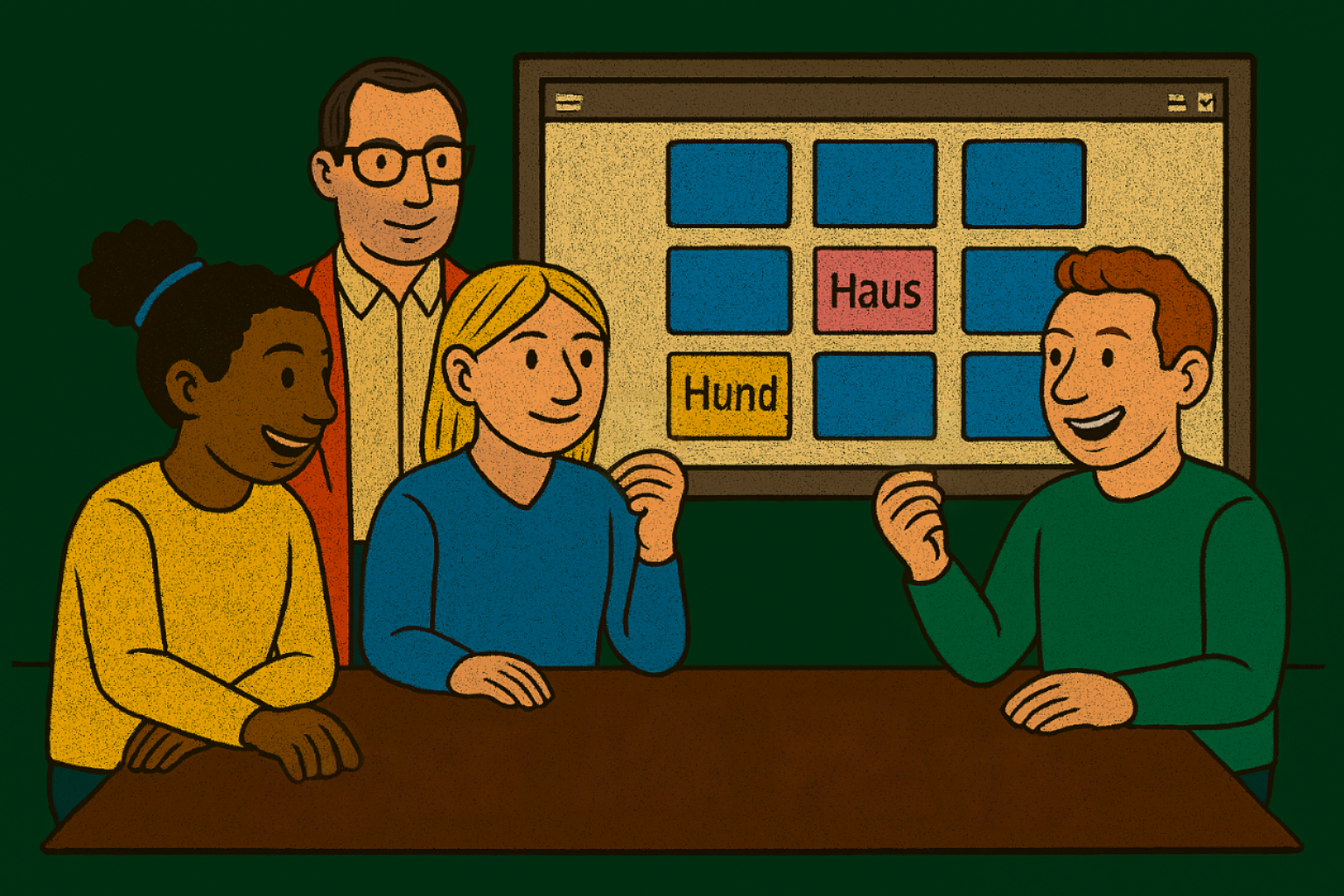
Gamification and playful learning methods offer a modern way to make the learning process more motivating. Examples of gamified elements in teaching:
- Badges and point systems: Learning platforms like Moodle offer the possibility to integrate badges as a reward system. Students earn badges for certain achievements or milestones — as visual feedback and an incentive for further active participation.
- Rewards and incentives: Bonus points for specific achievements, which can unlock, for example, an exam bonus. It is important that such incentives align with applicable examination regulations and are communicated transparently.
- Development of learning games: Instructors can develop interactive learning games using digital media — for example, a digital card game for learning Middle High German vocabulary.
Gamification increases learning motivation and improves the overall learning experience. However, not all students respond equally positively to a playful approach — a balanced mix of gamified and traditional methods is essential.
12 E-Portfolios for Reflection and Self-Assessment
E-portfolios are digital collections of work, reflections, projects and other materials that document students' learning progress and personal development. In teaching, e-portfolios can be used for the following purposes:
- Documenting learning progress: Students upload various works and projects, tracking their own learning progress through regular updates.
- Reflecting on personal development: E-portfolios provide space to reflect on experiences, challenges, successes and learning goals — through text or multimedia elements.
- Self-assessment and goal-setting: Students evaluate their own work against given criteria and set personal learning objectives.
E-portfolios — via Moodle, Padlet or Miro — offer students a structured way to reflect on their learning process and develop metacognitive competencies that are indispensable for professional life.
13 OER Materials in Teaching
Open Educational Resources (OER) are freely accessible educational resources published under open licenses that allow teaching materials to be shared, adapted and reused. While not yet widely adopted in German higher education, they can be practically used in one's own teaching:
- Using existing OER: Instructors can integrate open teaching materials — texts, videos, interactive exercises — into their courses, for example free online teaching videos on a specific topic.
- Creating own OER: Instructors can publish their own materials under open licenses — scripts, presentations, podcasts or interactive online exercises.
- Involving students: Students can actively research, discuss and create OER, which increases their learning engagement.
Integrating OER provides instructors with a broad range of high-quality educational resources and enables diverse and cost-effective course design.
Pedagogical Foundations
The concepts are rooted in constructivist learning theory: learners actively construct knowledge through interaction with their environment. Bloom's taxonomy of learning objectives and the principle of Constructive Alignment serve as guiding frameworks. Technology serves pedagogical goals – it does not replace human interaction but complements it. The instructor initiates support offerings and remains available when learners encounter difficulties.
Source: Discussion paper by the German Higher Education Forum on Digitalization (2022)